
Portfolio
What Is an RNG Project and How Does It Work?
A renewable natural gas (RNG) project captures methane from decomposing organic waste and purifies it into cleaner, pipeline-quality fuel.

Featured Projects



Additional Projects *
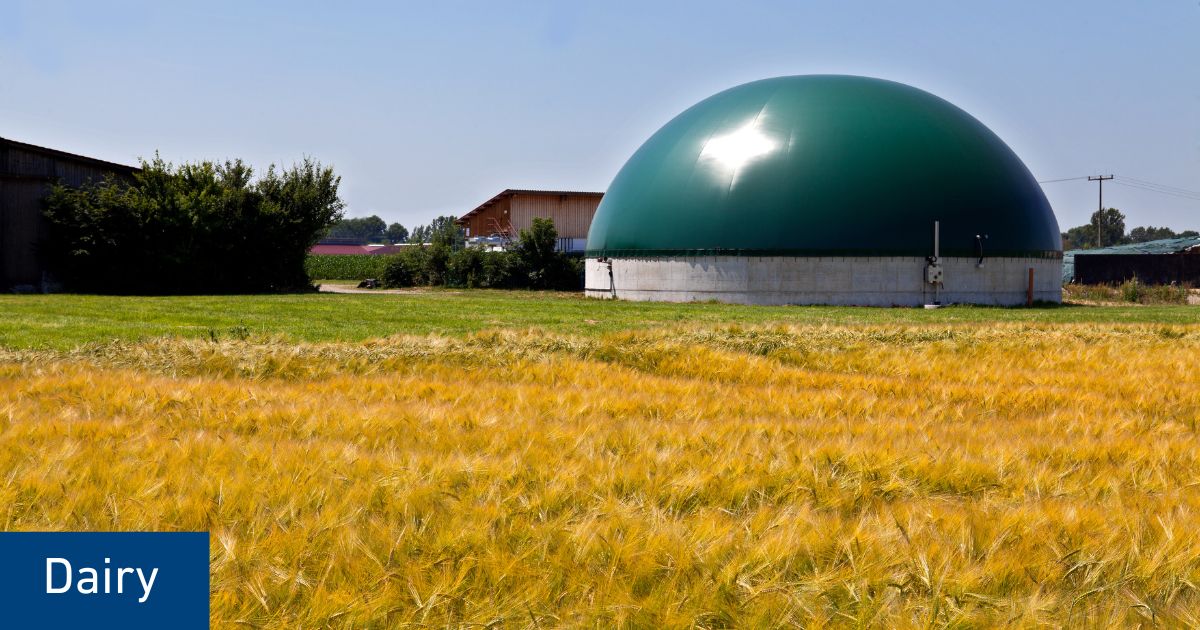
Dairy
Landfill
Dairy
* Projects currently under construction or in development
New Revenue Streams + Waste Reduction + Reliable Energy
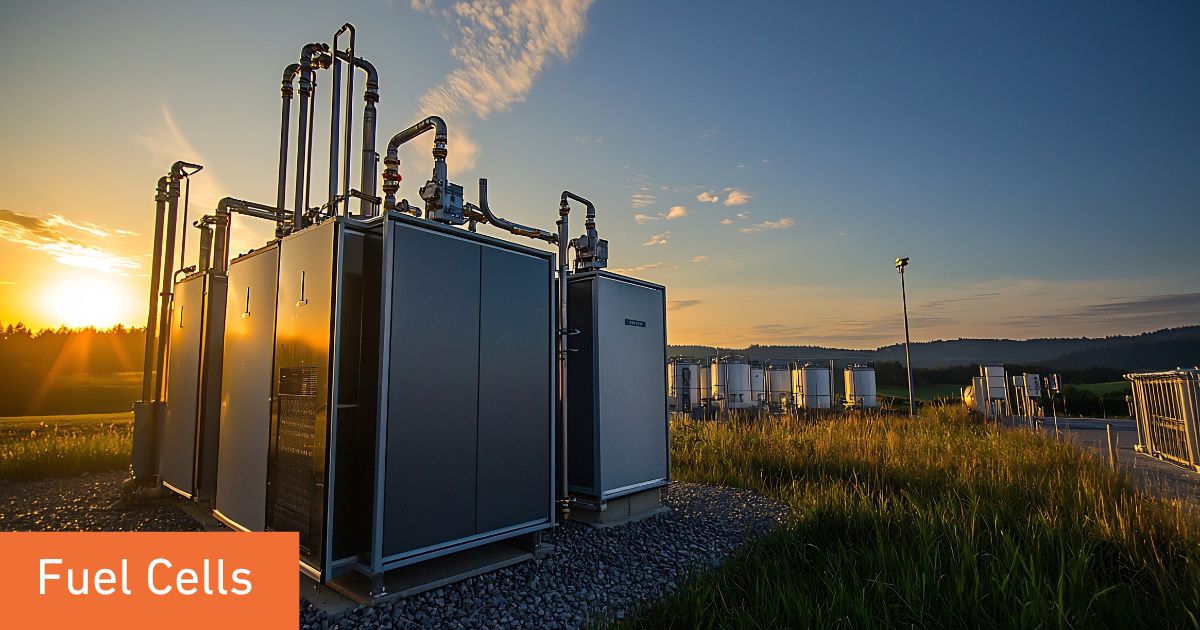
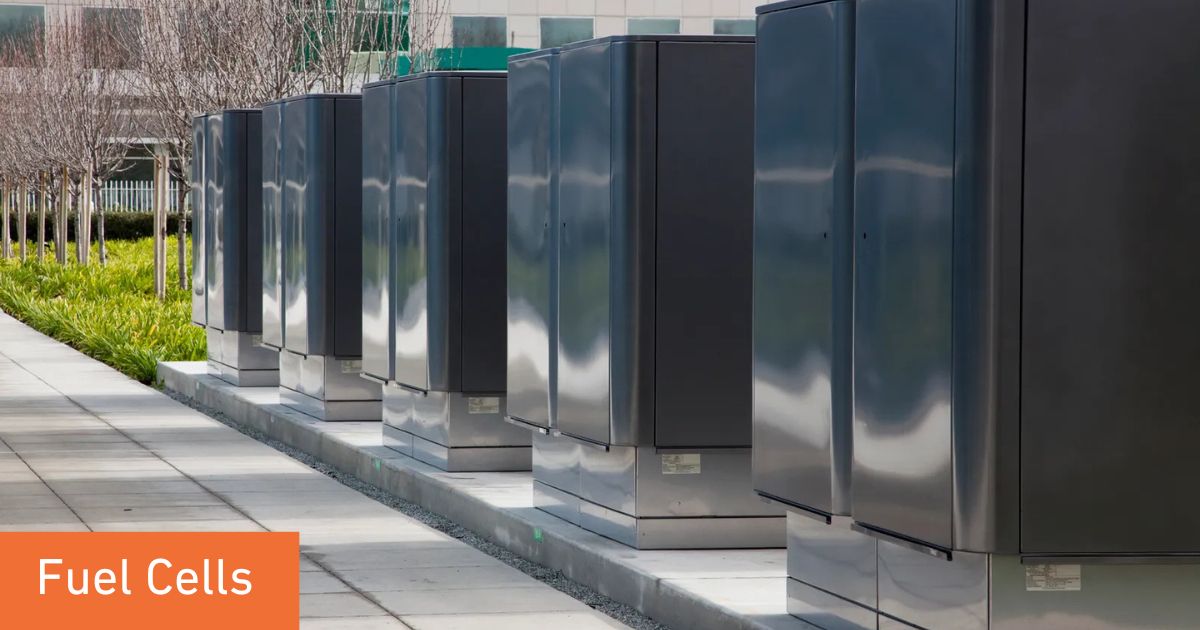
SJI Renewable Energy Ventures and its affiliates specialize in the ownership, development, construction, and operation of diverse renewable energy projects. These projects include the development of solar, fuel cell, and RNG sourced from a variety of feedstocks.
Common RNG Project Feedstocks
- Dairy manure.
- Landfill gas.
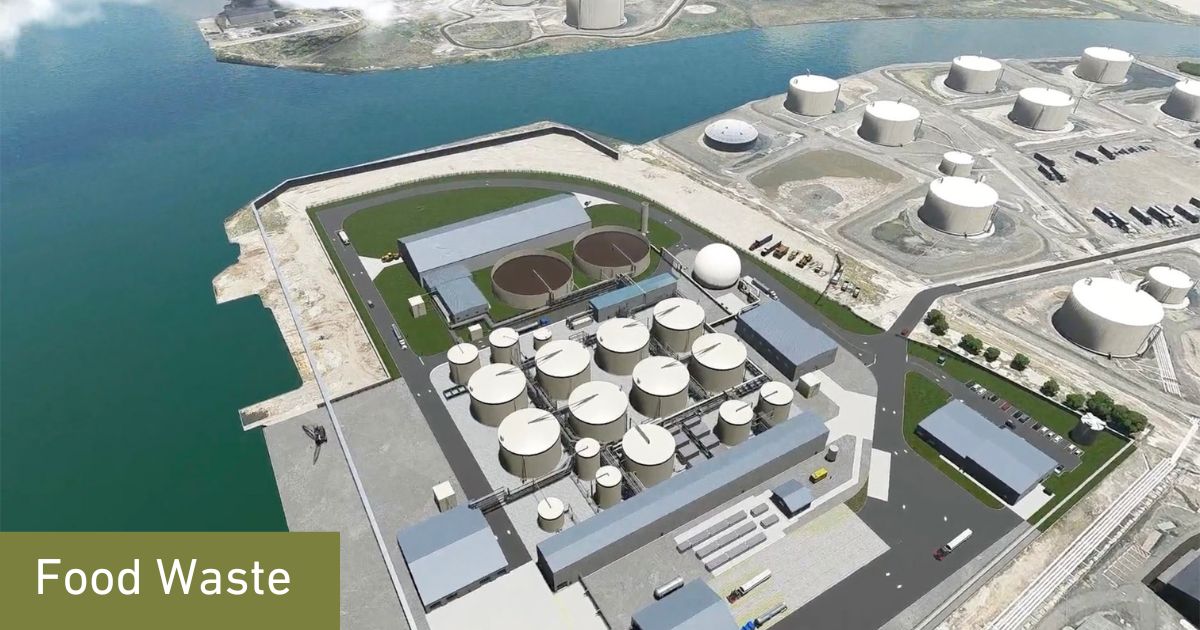
- Organic food waste.


Core Components of an RNG Facility
An effective RNG facility must have the following components:
- Organic waste matter: This feedstock includes agricultural manure, food waste, or landfills that serve as the biological source for renewable energy production.
- An anaerobic digester: This specialized tank facilitates the anaerobic digestion of organic matter to produce raw biogas in a controlled environment.
- A biogas purification system: Advanced technology cleans the raw biogas by removing carbon dioxide and other impurities to create pipeline-quality renewable natural gas.
- Compression equipment: Systems compress the purified renewable gas for injection into a natural gas pipeline.
- A pipeline injection/interconnection point: This critical infrastructure enables the transfer of the finished fuel into the local natural gas network for distribution across North America.
Infrastructure and Interconnection Requirements
The interconnection point is where one pipeline system connects to another, enabling the transfer of gas, and serving as a critical control and metering point.
RNG Project Development Phases
- Feasibility: SJI REV evaluates the potential of a waste stream to determine the economic viability of a new RNG project.
- Design: Engineers create a customized plan for the RNG facility, carefully considering how to minimize the carbon intensity of the produced renewable fuel.
- Financing: Securing capital for RNG projects may involve leveraging tax credits and long-term contracts with energy partners.
- Permitting: It’s necessary for an RNG project to comply with all local and federal regulations, including the Renewable Fuel Standard.
- Construction and installation: Expert teams build the anaerobic digester and purification systems required to transform organic waste into a renewable energy source.
- Interconnection: Technicians establish a secure link to the natural gas pipeline, allowing the renewable fuel to fulfill the same needs as conventional natural gas in the grid.
- Operations: Ongoing management of the facility ensures consistent biogas production and helps partners achieve greenhouse gas emissions reductions.
Stakeholders Involved in RNG Projects
- Producers/hosts: Farms, landfills, wastewater treatment plants, and any RNG producer seeking to monetize waste.
- Developers: Specialized ring developers such as SJI REV.
- Technology service providers: Firms providing biogas purification or fuel cell equipment.
- Investors: Financial institutions, private equity firms, and investors supporting the growth of the RNG industry across the United States.
- Pipeline and utility companies: Regional utilities managing the natural gas pipeline.
- Regulators: The EPA and other agencies overseeing the Renewable Fuel Standard and environmental protection.
- End-users: Residents, industrial businesses, and fleets using natural gas as a clean transportation fuel.
Environmental and Community Benefits
- Economic opportunities: An RNG project creates local jobs in construction and operations while providing new revenue streams for waste management partners.
- Waste removal: Diverting organic waste from landfill sites helps manage the waste stream more and reduces reliance on traditional disposal methods.
- Greenhouse gas reductions: Capturing methane before it escapes into the atmosphere is a beneficial strategy for lowering overall greenhouse gas output.
- Improved local air quality: Using RNG as a transportation fuel reduces methane emissions and particulate matter compared to using a fossil fuel like diesel.
- Energy security: Developing domestic sources of renewable energy helps the United States decrease its dependence on fossil natural gas.

Start Your RNG Project With SJI REV and its Affiliates
SJI REV and its affiliates turn organic waste into energy, delivering safer and more reliable fuels nationwide.