
Fuels Cells
Biogas Fuel Cells That Strive To Deliver Cleaner, More Reliable Power at Industrial Scales
SJI Renewable Energy Ventures and its affiliates are moving towards a cleaner energy future by investing in, developing, owning, and operating renewable energy projects.

What Is a Biogas Fuel Cell?
First, methane is reformed into hydrogen, which then reacts with oxygen to produce water and power, limiting emissions of pollutants such as nitrogen oxides (NOx) and sulfur oxides (SOx). These systems use gas-cleanup units to purify raw biogas from sources such as landfills or wastewater plants, making it suitable as fuel for modular fuel cell power plants.*
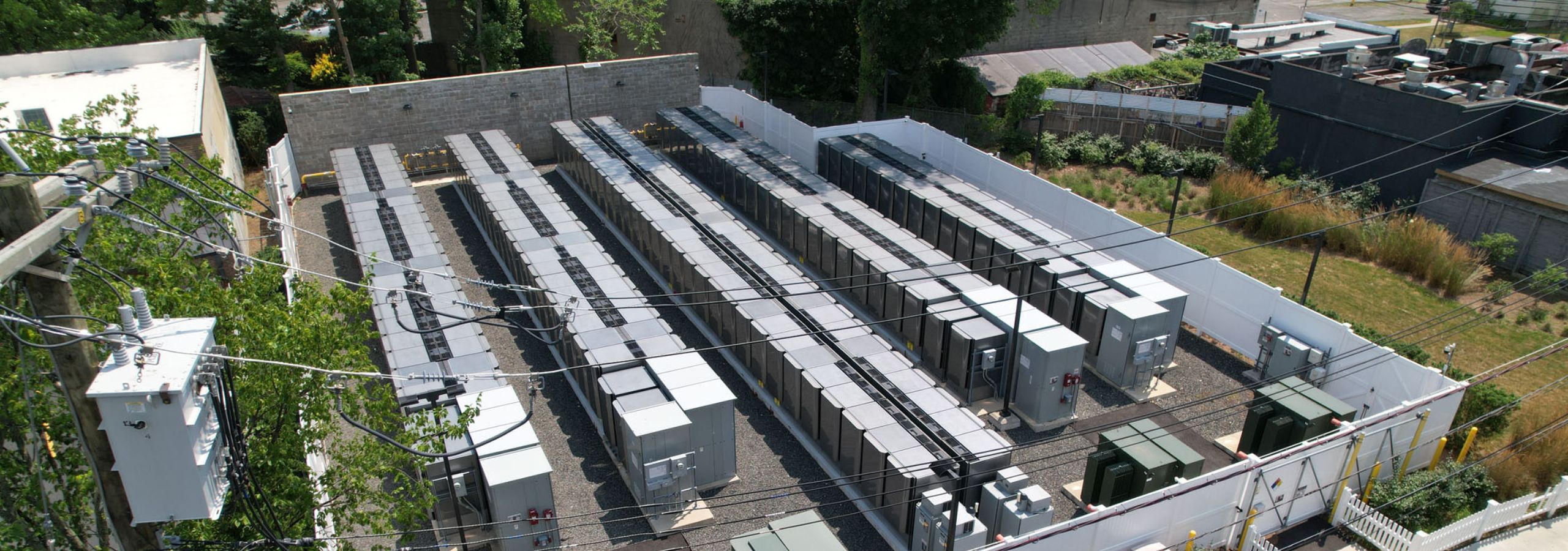

Types of Biogas Fuel Cells
Fuel cell technology takes several forms, but there are two main types of biogas cells:
- Solid Oxide Fuel Cells (SOFCs): These use a solid-state ceramic electrolyte and operate at high temperatures, which allows for the internal reforming of methane and other hydrocarbons. SOFCs are highly efficient and tolerant of impurities.
- Molten Carbonate Fuel Cells (MCFCs): These use a molten carbonate salt electrolyte and operate at the lower end of SOFCs’ temperature range. MCFCs can also perform internal reforming of methane and are ideal for large, stationary power generation applications and combined heat and power systems.
Source: U.S. Environmental Protection Agency Combined Heat and Power Partnership
How Biogas Fuel Cells Work
Biogas fuel cells generate electricity through a highly efficient electrochemical process — not combustion. The process begins with biogas, which is a mixture of methane and carbon dioxide. By placing organic waste, such as livestock manure, food scraps, or wastewater, into an anaerobic digester, it’s possible to capture this naturally occurring biogas. The next step is to reform the methane gas to extract pure hydrogen. Because this technology avoids combustion, it’s significantly more efficient than traditional engines and produces virtually none of the NOx or SOx associated with burning waste.
Once the hydrogen-rich fuel enters the fuel cell, the inner workings of the cell direct it to the anode, while sending oxygen to the cathode. At the anode, a catalyst splits the hydrogen atoms into protons and electrons. The electrons are then forced through an external circuit, creating an electrical current. Meanwhile, the protons migrate through an electrolyte to the cathode, where they reunite with the electrons and oxygen to form water and heat as the only byproducts — no carbon emissions.

Key Benefits vs. Combustion Fuels
Some key benefits of fuel cell technology include:

Efficiency
A biogas fuel cell is an extraordinarily efficient system for vehicle fuel or electricity generation.
Carbon reduction and sustainability impact
These cells reduce reliance on carbon-based fossil fuels. Furthermore, they use renewable biogas synthesized from sources such as landfills and dairy farms that create these gases anyway.
Emissions performance
Biomethane production is a naturally occurring process. Neither the anaerobic digester nor the fuel cell itself adds any methane or carbon to the atmosphere.
Reliability, baseload power, and grid independence
Biogas is another energy source for us to use, contributing to energy independence. As this methane develops organically, it lessens the need to frack natural gas, which can bring down costs and avoid local pollution.
Applications Across Industries
Many sectors can be involved in biogas production, capture, and use. These include:
Agriculture
Farmers can earn additional revenue by partnering with a developer that can install an anaerobic digester, turning waste such as cow manure and unused feed into valuable fuel.
Food and Beverage
Methane can be used as a vehicle fuel. This is especially true for fleet vehicles, which can switch to RNG to bring down carbon emissions. Using RNG transportation fuel is a greener option than diesel or gasoline, and it can be more practical than battery electric vehicles, which have limited utility for medium- and heavy-duty trucks.
Municipalities
Communities and local governments can participate in programs to have their organic waste or wastewater digested and synthesized for biogas.
Power Generation
Utility companies and independent providers can supply the electrical grid with consistent energy from biogas plants.
Tech
Technology firms, particularly data center operators, deploy biogas fuel cells to provide reliable, “always-on” renewable energy, helping to achieve continuous uptime for critical infrastructure.
Pharmaceuticals
Pharmaceutical manufacturers utilize biogas fuel cells to generate the high-quality, uninterrupted power and thermal energy required for sensitive laboratory environments.

SJI REV and its Affiliates are Turning Today’s Organic Waste Into Tomorrow’s Quality Gas
Through a joint venture with Captona, called Catamaran Renewables, SJI REV’s affiliate has acquired several fuel cell projects, anticipated to produce a total of 12.5 MW. By tracking how much electricity is uploaded to the grid regularly, SJI REV’s affiliate provides value back to consumers.
Want to learn more? Find out how we can help your business move to a more sustainable future.